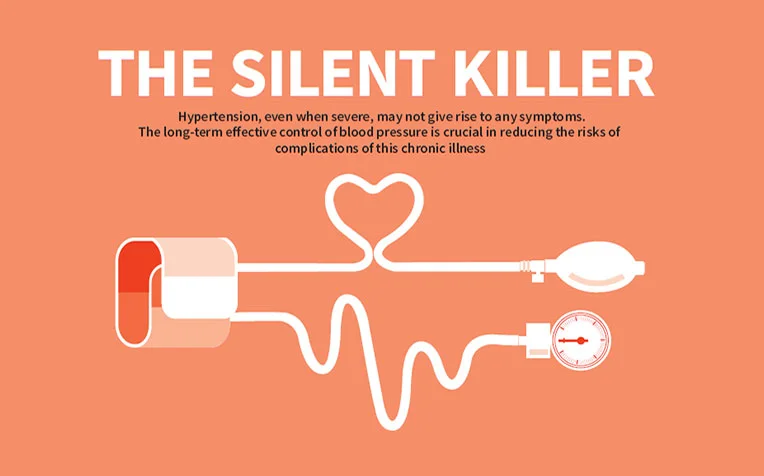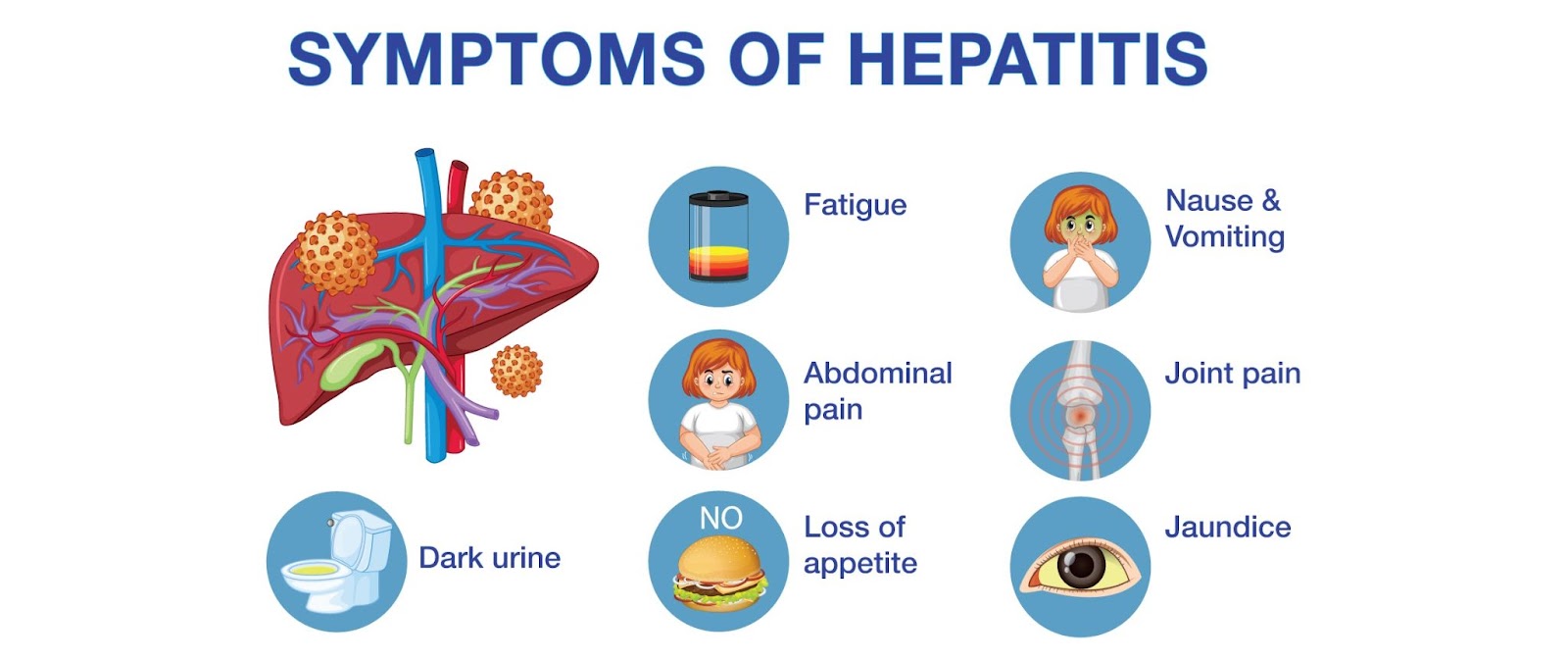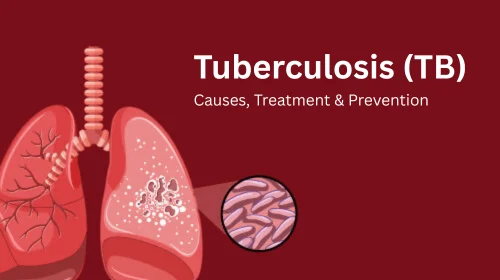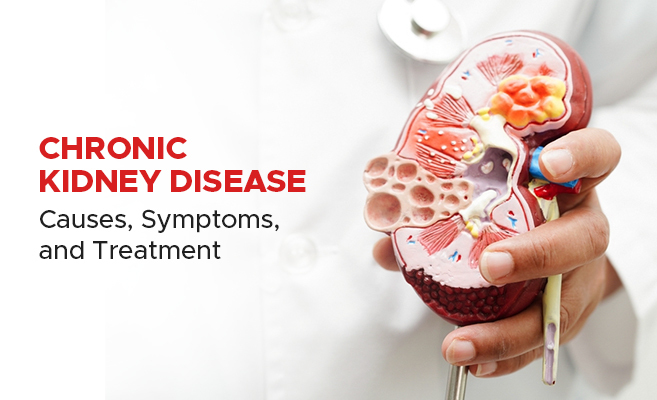
Kidney disease is a serious health condition that often develops slowly and quietly. Many people do not realize they have a problem with their kidneys until it reaches an advanced stage. This is why kidney disease is often called a “silent condition.”
The kidneys are very important organs in the body. They help filter waste, remove extra fluids, balance minerals, and support overall health. When the kidneys are not working properly, waste products start to build up in the body, which can lead to serious complications.
Kidney disease can affect anyone, but the risk increases with certain health conditions and lifestyle habits. Early awareness is very important because detecting the problem early can help prevent further damage.
Understanding the causes, symptoms, and prevention of kidney disease can help protect your health and improve quality of life.
What causes kidney disease and who is at risk
Kidney disease can develop due to several reasons, and in many cases, it is linked to other health conditions.
One of the leading causes is diabetes. High blood sugar levels over time can damage the small blood vessels in the kidneys, affecting their ability to filter waste properly.
High blood pressure is another major cause. It puts extra strain on blood vessels, including those in the kidneys, leading to gradual damage.
Unhealthy lifestyle habits also play a significant role. Poor diet, lack of exercise, and obesity increase the risk of kidney problems.
Excessive use of certain medications, especially painkillers, can harm the kidneys if taken frequently without proper guidance.
Dehydration is another factor. Not drinking enough water can affect kidney function over time.
Infections or kidney stones can also damage the kidneys if not treated properly.
Genetics may also increase risk. People with a family history of kidney disease are more likely to develop it.
Other contributing factors include:
- smoking
- high cholesterol
- aging
- long-term health conditions
Kidney disease usually develops slowly, which is why regular health checkups are important.
Early symptoms you should not ignore
In the early stages, kidney disease may not show clear symptoms. However, as the condition progresses, certain warning signs may appear.
One of the most common symptoms is fatigue. The body may feel tired due to the buildup of waste products in the blood.
Swelling in the legs, ankles, or feet is another sign. This happens because the kidneys are not able to remove excess fluids properly.
Changes in urination can also occur. A person may urinate more or less frequently, especially at night.
Foamy or bubbly urine may indicate the presence of protein, which can be a sign of kidney damage.
Some people experience difficulty concentrating due to the effects of waste buildup in the body.
Loss of appetite and nausea may also occur as the condition worsens.
Dry and itchy skin can be another symptom, as mineral balance in the body is affected.
In more serious cases, symptoms may include:
- shortness of breath
- muscle cramps
- high blood pressure
- chest discomfort
These symptoms should not be ignored, especially if they persist over time.
Prevention, lifestyle changes, and maintaining kidney health
The good news is that kidney disease can often be prevented or managed with healthy lifestyle choices.
Maintaining a balanced diet is one of the most important steps. Eating fresh fruits, vegetables, and reducing salt intake can support kidney health.
Drinking enough water helps the kidneys remove waste efficiently. Staying hydrated is essential for proper function.
Regular physical activity improves blood circulation and helps control conditions like diabetes and high blood pressure.
Managing blood sugar levels is very important for people with diabetes. Keeping sugar levels under control can prevent kidney damage.
Monitoring blood pressure is also essential. Keeping it within a healthy range reduces strain on the kidneys.
Avoiding unnecessary use of medications, especially painkillers, can help protect kidney function.
Quitting smoking improves overall health and reduces the risk of kidney disease.
Regular health checkups are very important. Blood and urine tests can detect kidney problems early.
If someone is already diagnosed, following medical advice and maintaining a healthy lifestyle can slow down the progression of the disease.
Kidney health is closely connected to overall health. Taking care of your body can protect your kidneys in the long term.
Small daily habits—like drinking enough water, eating healthy, and staying active—can make a big difference.
In the end, awareness is the key. Recognizing early signs and making better lifestyle choices can help prevent kidney disease and improve overall well-being.