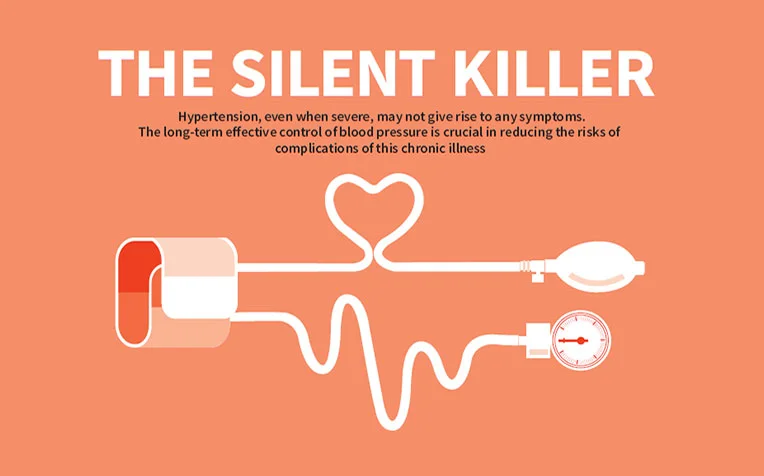
Hypertension, commonly known as high blood pressure, is one of the most widespread health conditions in the world. It is often called a “silent killer” because it usually does not show clear symptoms in the early stages, but it can quietly damage important organs like the heart, brain, and kidneys over time.
Blood pressure is the force of blood pushing against the walls of your arteries. When this pressure stays consistently high, it puts extra strain on the heart and blood vessels. If not controlled, it can lead to serious complications such as heart attack, stroke, and kidney disease.
Millions of people live with high blood pressure without even knowing it. This is why regular checkups and awareness are very important.
Understanding hypertension, its causes, and how to manage it can help prevent long-term health problems.
What causes high blood pressure and who is at risk
High blood pressure does not usually have a single cause. It develops due to a combination of lifestyle, genetic, and environmental factors.
One of the main causes is unhealthy diet. Eating too much salt, processed food, and fried items can increase blood pressure levels.
Lack of physical activity is another major factor. A sedentary lifestyle weakens the heart and reduces its efficiency in pumping blood.
Obesity or excess body weight puts extra pressure on the heart and increases the risk of hypertension.
Stress also plays a significant role. Long-term stress can affect hormones and lead to increased blood pressure.
Smoking damages blood vessels and makes it harder for blood to flow smoothly, which increases pressure in the arteries.
Excessive alcohol consumption can also raise blood pressure levels over time.
Genetics may also contribute. If there is a family history of hypertension, the risk is higher.
Other risk factors include:
- aging
- high cholesterol
- diabetes
- poor sleep habits
- unhealthy lifestyle routines
In many cases, multiple factors work together to increase the risk of hypertension.
Symptoms and health risks you should know
High blood pressure is often called a silent condition because most people do not notice any symptoms in the early stages.
However, in some cases, symptoms may appear when blood pressure becomes very high.
Common symptoms may include headaches, especially in the morning or at the back of the head.
Some people may experience dizziness or a feeling of imbalance.
Blurred vision can also occur due to pressure on blood vessels in the eyes.
Chest discomfort or a feeling of tightness may appear in more serious cases.
Shortness of breath can also be a warning sign, especially during physical activity.
In severe cases, nosebleeds or irregular heartbeat may occur.
Even though these symptoms can appear, they are not always present. Many people discover high blood pressure only during routine medical checkups.
If hypertension is not controlled, it can lead to serious health problems such as:
- heart attack
- stroke
- kidney failure
- vision loss
- damage to blood vessels
- heart enlargement
These risks make early detection extremely important.
Prevention, lifestyle changes, and blood pressure control
The good news is that high blood pressure can often be controlled or even prevented with simple lifestyle changes.
One of the most important steps is reducing salt intake. Too much salt causes the body to retain water, which increases blood pressure.
Eating a healthy diet rich in fruits, vegetables, whole grains, and lean proteins helps maintain normal blood pressure levels.
Regular physical activity strengthens the heart and improves blood circulation. Even simple exercises like walking for 30 minutes a day can make a big difference.
Maintaining a healthy weight reduces strain on the heart and lowers blood pressure naturally.
Managing stress is also very important. Relaxation techniques, hobbies, and proper rest can help reduce stress levels.
Avoiding smoking is essential because it damages blood vessels and increases risk significantly.
Limiting alcohol consumption also helps keep blood pressure under control.
Getting enough sleep is important for overall heart health and hormone balance.
Regular health checkups are essential for early detection and monitoring of blood pressure levels.
For people already diagnosed with hypertension, doctors may recommend medication along with lifestyle changes.
Consistency is the key to controlling blood pressure. Small daily habits can lead to long-term improvement.
Hypertension may not show early warning signs, but its effects can be serious if ignored.
In the end, awareness, prevention, and regular monitoring are the strongest tools against high blood pressure. Taking care of your daily habits today can protect your heart, brain, and overall health in the future.