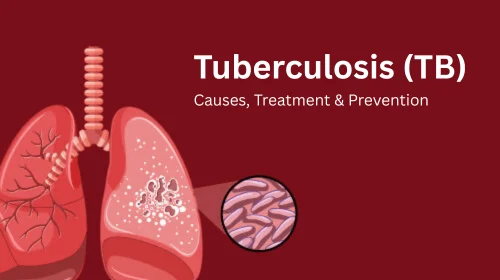
Tuberculosis, commonly known as TB, is a serious infectious disease that mainly affects the lungs, but it can also spread to other parts of the body. Even though it is an old disease, TB is still present in many parts of the world today.
The concerning part about TB is that it spreads easily from person to person through the air. When an infected person coughs, sneezes, or talks, tiny droplets containing bacteria can be released into the air. If another person breathes in these droplets, they can become infected.
TB is treatable and curable in most cases, but early diagnosis is very important. If left untreated, it can become severe and even life-threatening.
Understanding TB, its causes, symptoms, and prevention methods can help control its spread and protect public health.
What causes tuberculosis and how it spreads
Tuberculosis is caused by a bacteria called Mycobacterium tuberculosis. This bacteria mainly attacks the lungs but can also affect the kidneys, spine, and brain in severe cases.
The disease spreads through the air, but only when there is close and prolonged contact with an infected person. It does not spread through shaking hands, sharing food, or touching objects.
People with weak immune systems are more at risk. This includes individuals with conditions like diabetes, HIV, or those who are undernourished.
Living in crowded or poorly ventilated spaces also increases the risk of infection. TB bacteria spread more easily in environments where people are in close contact for long periods.
Other risk factors include:
- malnutrition
- smoking
- alcohol abuse
- chronic illnesses
- poor living conditions
Not everyone who gets infected becomes sick immediately. In some cases, the bacteria remain inactive in the body for a long time. This is called latent TB. It can become active later if the immune system becomes weak.
Early symptoms you should not ignore
TB symptoms usually develop slowly and may be mistaken for common illnesses like flu or cough in the beginning.
One of the most common symptoms is a persistent cough that lasts more than two weeks. This cough may sometimes produce mucus or even blood.
Chest pain is another symptom, especially when breathing or coughing.
A person may also experience weakness and constant fatigue. This happens because the body is fighting infection.
Unexplained weight loss is another important sign. Losing weight without any clear reason should always be checked.
Fever is also common in TB patients. It is usually mild but persistent, often occurring in the evening.
Night sweats are another warning sign. A person may sweat heavily during sleep without any clear reason.
Loss of appetite is also frequently seen, leading to further weight loss.
In some cases, TB can affect other parts of the body, causing symptoms depending on the infected area.
If these symptoms continue for more than a few weeks, medical attention is necessary.
Early detection is very important because TB becomes more difficult to treat in advanced stages.
Prevention, treatment, and protecting yourself from TB
The good news is that tuberculosis can be prevented and treated effectively with proper medical care.
One of the most important prevention methods is vaccination. In many countries, the BCG vaccine is given to children to protect against severe forms of TB.
Maintaining good hygiene and covering the mouth while coughing or sneezing can help reduce the spread of infection.
Good ventilation is also important. TB bacteria spread more easily in closed and poorly ventilated spaces, so fresh air helps reduce risk.
A strong immune system plays a major role in prevention. Eating a balanced diet, getting enough sleep, and staying physically active can help strengthen immunity.
Avoiding smoking and alcohol also reduces the risk of infection and improves lung health.
People who are infected with TB should follow full medical treatment. TB treatment usually involves a long course of antibiotics, and it is very important to complete the full course even if symptoms improve.
Stopping treatment early can lead to drug-resistant TB, which is harder to treat.
Regular checkups and early testing are important, especially for people who are at higher risk or who have been in contact with TB patients.
Public awareness also plays a key role in controlling TB. Many people avoid treatment due to lack of knowledge or fear, which can increase spread in communities.
TB is not just a medical issue—it is also a public health concern that requires awareness and responsibility.
With proper treatment, most people with TB recover fully and lead healthy lives again.
In the end, awareness, early detection, and proper treatment are the strongest tools against tuberculosis. Understanding the disease and taking preventive steps can help protect both individuals and communities.