Hepatitis is a medical condition that affects the liver and causes inflammation. The liver is one of the most important organs in the body, responsible for filtering toxins, processing nutrients, and supporting digestion. When it becomes inflamed, its ability to function properly is affected.
Hepatitis can be caused by viruses, alcohol use, certain medications, or other health conditions. The most common types are viral hepatitis, which includes Hepatitis A, B, C, D, and E. Each type affects the liver differently and has different modes of transmission.
Some types of hepatitis are short-term and improve on their own, while others can become long-term and lead to serious complications like liver damage or liver failure.
Understanding hepatitis, its causes, and early warning signs is important for prevention and timely treatment.
What causes hepatitis and how it spreads
Hepatitis can be caused by several factors, but viral infections are the most common cause worldwide.
Hepatitis A and E usually spread through contaminated food and water. This often happens in areas with poor sanitation or unsafe drinking water.
Hepatitis B and C are mainly spread through infected blood and body fluids. This can happen through unsafe medical procedures, sharing needles, or unprotected contact with infected individuals.
Hepatitis D occurs only in people already infected with Hepatitis B, making the infection more severe.
Apart from viral infections, other causes include excessive alcohol consumption, which can damage liver cells over time.
Certain medications and toxins can also cause liver inflammation if used improperly or in high doses.
Autoimmune conditions, where the body’s immune system attacks the liver, can also lead to hepatitis.
Risk factors include:
- unsafe injections or medical equipment
- poor hygiene and sanitation
- unprotected contact with infected blood
- alcohol abuse
- weak immune system
- contaminated food or water
Not all types of hepatitis spread in the same way, which is why awareness is important.
Early symptoms you should not ignore
Hepatitis symptoms can vary depending on the type and severity of infection. In some cases, there may be no symptoms in the early stage, especially in chronic hepatitis.
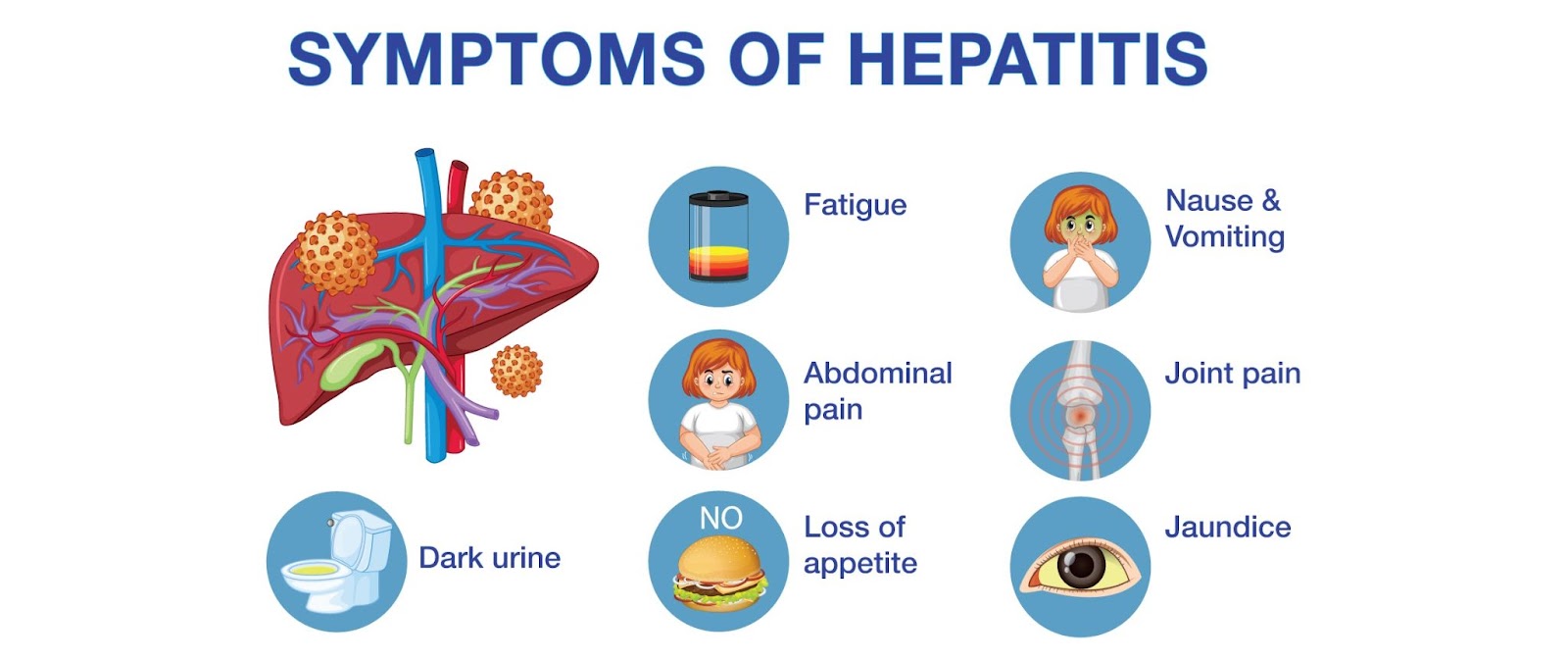
One of the common symptoms is fatigue. A person may feel constantly tired and weak without any clear reason.
Loss of appetite is another early sign. People may feel less interested in food, which can lead to weight loss.
Nausea and vomiting can also occur as the liver becomes inflamed.
Abdominal pain, especially in the upper right side, is another symptom.
Jaundice is one of the most noticeable signs of hepatitis. It causes yellowing of the skin and eyes due to a buildup of bilirubin in the body.
Dark urine and pale stool may also appear in some cases.
Fever and general discomfort can occur in acute hepatitis infections.
In chronic hepatitis, symptoms may develop slowly over time and may include long-term fatigue, weakness, and liver enlargement.
If symptoms persist or worsen, medical attention is necessary to prevent complications.
Prevention, lifestyle changes, and liver protection
The good news is that many types of hepatitis can be prevented through proper hygiene, vaccination, and healthy lifestyle habits.
Vaccination is one of the most effective ways to prevent Hepatitis A and B. It provides strong protection against infection.
Maintaining good hygiene is very important. Washing hands regularly and consuming clean, safe food and water can reduce the risk of infection.
Avoiding unsafe medical practices, such as using unsterilized needles or equipment, is essential.
Practicing safe habits during medical treatments and ensuring proper hygiene in healthcare settings helps prevent transmission.
Limiting or avoiding alcohol is very important for liver health. Alcohol can worsen liver inflammation and increase the risk of long-term damage.
Eating a balanced diet supports liver function. Fresh fruits, vegetables, whole grains, and adequate hydration help maintain overall health.
Avoiding unnecessary medications and following proper medical advice is also important to protect the liver.
Regular health checkups help detect hepatitis early, especially in people at higher risk.
For those already infected, following proper treatment is essential. Some types of hepatitis can be managed effectively with medication and lifestyle changes.
Public awareness plays a major role in controlling hepatitis. Many people are unaware of how it spreads, which increases the risk of infection.
Hepatitis is preventable in many cases, but only if people take proper precautions.
In the end, awareness and prevention are the most powerful tools. Understanding how hepatitis spreads, recognizing early symptoms, and adopting healthy habits can protect your liver and improve overall health.