Cancer is one of the most serious health conditions in the world today. It affects millions of people every year and can develop in almost any part of the body. The main challenge with cancer is that it often begins silently, without clear symptoms in the early stages.
Cancer happens when cells in the body start to grow in an uncontrolled way. Normally, cells grow, divide, and die in a controlled manner. But in cancer, this process goes wrong, and abnormal cells keep multiplying. These cells can form lumps (tumors) or spread to other parts of the body.
While cancer is a serious disease, early detection and awareness can greatly improve treatment success. Many types of cancer are treatable if they are found early.
Understanding its causes, early warning signs, and prevention methods is very important for protecting your health.
What causes cancer and who is at risk
Cancer does not have a single cause. It usually develops due to a combination of genetic, environmental, and lifestyle factors.
One of the major causes is genetic mutation. Sometimes changes in DNA can make cells grow abnormally. These changes can be inherited or develop over time.
Unhealthy lifestyle habits also play a big role. Smoking is one of the leading causes of cancer, especially lung cancer. Tobacco contains harmful chemicals that damage body cells.
Poor diet is another factor. Eating processed foods, excessive red meat, and low amounts of fruits and vegetables may increase the risk of certain cancers.
Exposure to harmful chemicals and pollution can also contribute. People working in certain industries may be exposed to cancer-causing substances.
Excessive alcohol consumption increases the risk of several types of cancer, including liver and mouth cancer.
Obesity is also linked to cancer. Excess body fat can cause hormonal changes that increase cancer risk.
Radiation exposure, including excessive sun exposure without protection, can also increase the chances of skin cancer.
Some infections, such as certain viruses, are also linked to cancer development.
Other risk factors include:
- aging
- weak immune system
- family history of cancer
- long-term inflammation
Cancer can affect anyone, but these factors increase the risk.
Early warning signs you should not ignore
Cancer symptoms can vary depending on the type and location of the disease. However, there are some general warning signs that should never be ignored.
One of the common signs is unexplained weight loss. Losing weight without trying can sometimes indicate an underlying health issue.
Persistent fatigue is another symptom. Feeling extremely tired even after rest may be a warning sign.
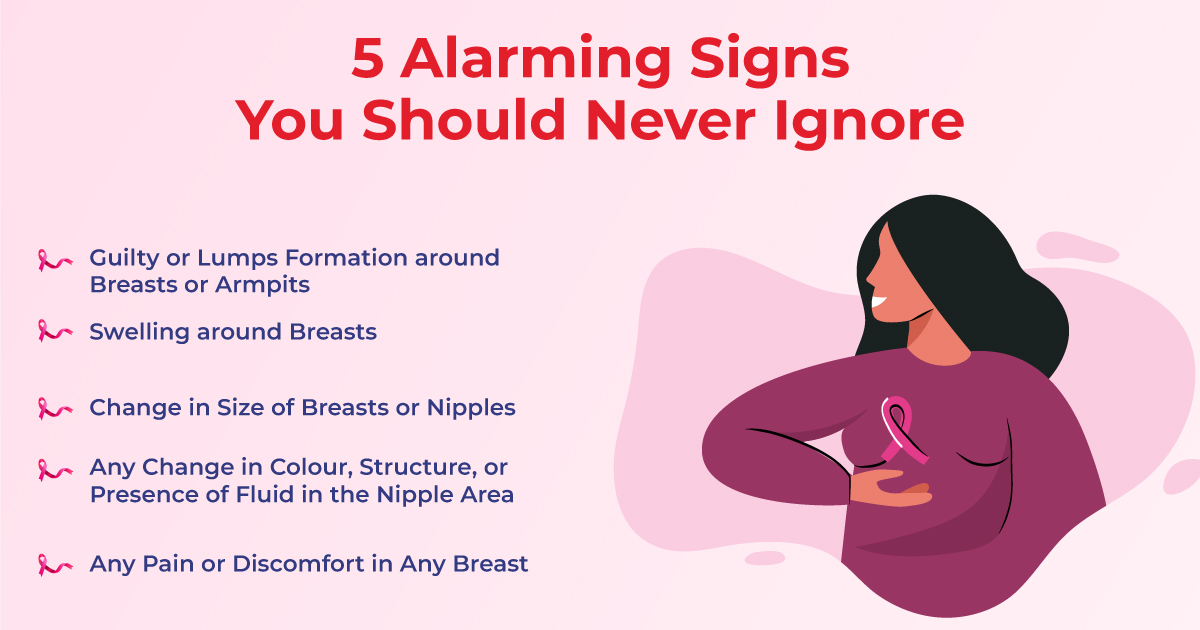
Unusual lumps or swelling in any part of the body should always be checked. Not all lumps are cancerous, but they should not be ignored.
Changes in skin, such as dark spots, changes in moles, or unusual growths, can be signs of skin cancer.
Long-lasting pain without a clear reason may also be a warning sign.
Persistent cough or difficulty breathing can be linked to lung-related cancers.
Changes in bowel or bladder habits may indicate digestive system issues.
Unexplained bleeding, such as in urine or stool, should always be taken seriously.
Difficulty swallowing or long-term indigestion can also be symptoms in some cases.
It is important to understand that these symptoms do not always mean cancer, but they should always be checked by a doctor if they continue.
Early detection is one of the most powerful tools in fighting cancer.
Prevention, lifestyle changes, and early detection
While not all cancers can be prevented, many cases can be reduced through healthy lifestyle choices and awareness.
One of the most important steps is avoiding tobacco in all forms. Smoking and chewing tobacco significantly increase cancer risk.
Eating a balanced diet rich in fruits, vegetables, and whole grains can help protect the body. These foods contain nutrients that support healthy cells.
Limiting processed foods, sugary drinks, and excessive red meat can also reduce risk.
Regular physical activity helps maintain a healthy weight and improves overall body function.
Protecting your skin from excessive sun exposure by using sunscreen and wearing protective clothing can reduce the risk of skin cancer.
Limiting alcohol consumption is also important for reducing cancer risk.
Regular health checkups and screenings are very important. Many cancers can be detected early through simple medical tests.
Vaccinations, such as those for certain viruses linked to cancer, can also help in prevention.
Managing stress and maintaining a healthy lifestyle supports the immune system, which plays a role in overall health.
Cancer prevention is not about one single action—it is about daily habits and long-term awareness.
Even small changes in lifestyle can make a big difference over time.
In the end, awareness is the strongest defense. Understanding the risks, recognizing early signs, and making healthy choices can help reduce the chances of cancer and improve overall quality of life.