Asthma is a common long-term condition that affects the airways in the lungs. It makes breathing difficult by causing inflammation and narrowing of the air passages. People with asthma may experience breathing problems from time to time, especially when exposed to certain triggers.
Asthma can affect people of all ages, but it often begins in childhood. While it cannot always be completely cured, it can be managed effectively with proper care and awareness.
One of the biggest challenges with asthma is that its symptoms can vary from person to person. Some people experience mild symptoms occasionally, while others may have more frequent or severe breathing difficulties.
Understanding asthma, its causes, and early warning signs is important for managing the condition and avoiding serious complications.
What causes asthma and what triggers it
Asthma occurs when the airways become inflamed and sensitive. This makes them react strongly to certain triggers, causing swelling, tightening of muscles, and increased mucus production.
There is no single cause of asthma, but several factors can increase the risk.
Genetics play an important role. If asthma or allergies run in the family, the chances of developing asthma are higher.
Environmental factors also contribute. Exposure to air pollution, dust, smoke, and chemicals can irritate the airways and increase risk.
Allergens are one of the most common triggers. These include pollen, pet dander, mold, and dust mites.
Respiratory infections, especially during childhood, can affect lung development and increase the risk of asthma.
Weather changes, particularly cold air or sudden temperature shifts, can trigger asthma symptoms.
Physical activity can also cause breathing difficulty in some individuals, known as exercise-induced asthma.
Stress and strong emotions may also trigger symptoms in certain cases.
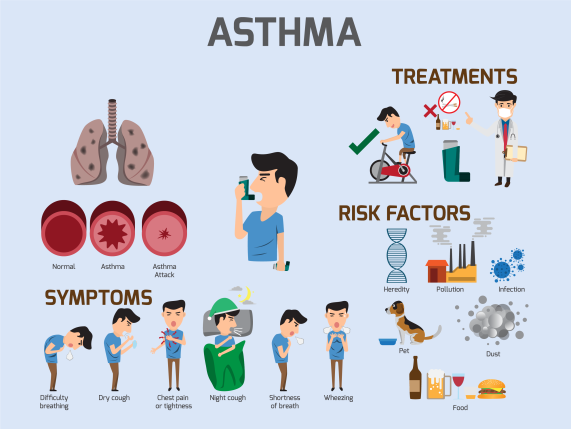
Common asthma triggers include:
- dust and pollution
- smoke and strong odors
- cold air
- allergies
- respiratory infections
- physical exertion
Avoiding triggers is an important part of managing asthma.
Common symptoms you should not ignore
Asthma symptoms can range from mild to severe and may appear suddenly or gradually.
One of the most common symptoms is shortness of breath. A person may feel like they cannot get enough air, especially during physical activity or at night.
Wheezing is another key symptom. It is a whistling sound that occurs when breathing, particularly while exhaling.
Coughing is also common, especially at night or early in the morning. This cough may be persistent and dry.
Chest tightness or pressure is another symptom. It may feel like something is squeezing the chest, making breathing uncomfortable.
Some people may also experience difficulty sleeping due to breathing problems.
Symptoms can worsen during exposure to triggers such as dust, smoke, or cold air.
In severe cases, an asthma attack can occur. During an attack, breathing becomes very difficult, and immediate medical attention may be needed.
It is important to recognize early symptoms and take them seriously to prevent complications.
Prevention, lifestyle changes, and managing asthma effectively
Although asthma cannot always be prevented, its symptoms can be controlled with proper care and lifestyle adjustments.
One of the most important steps is identifying and avoiding triggers. Keeping your environment clean and free from dust can help reduce symptoms.
Avoiding smoking and exposure to secondhand smoke is essential, as smoke irritates the airways.
Maintaining good air quality at home is also important. Proper ventilation and avoiding strong chemicals can help.
Regular physical activity can improve lung function, but it should be done carefully and with proper guidance if exercise triggers symptoms.
Maintaining a healthy lifestyle, including a balanced diet and proper hydration, supports overall health.
Managing stress is also important, as emotional stress can sometimes worsen asthma symptoms.
Following medical advice is very important for people diagnosed with asthma. Doctors may recommend inhalers or other medications to control symptoms.
Regular checkups help monitor the condition and adjust treatment if needed.
Asthma management is about consistency. Taking small steps daily can prevent serious problems.
Ignoring symptoms can lead to more frequent attacks and reduced quality of life.
With proper awareness and care, people with asthma can live normal and active lives.
In the end, understanding your condition and taking preventive measures can make a big difference. Awareness, discipline, and healthy habits are the key to managing asthma effectively and maintaining a better quality of life.