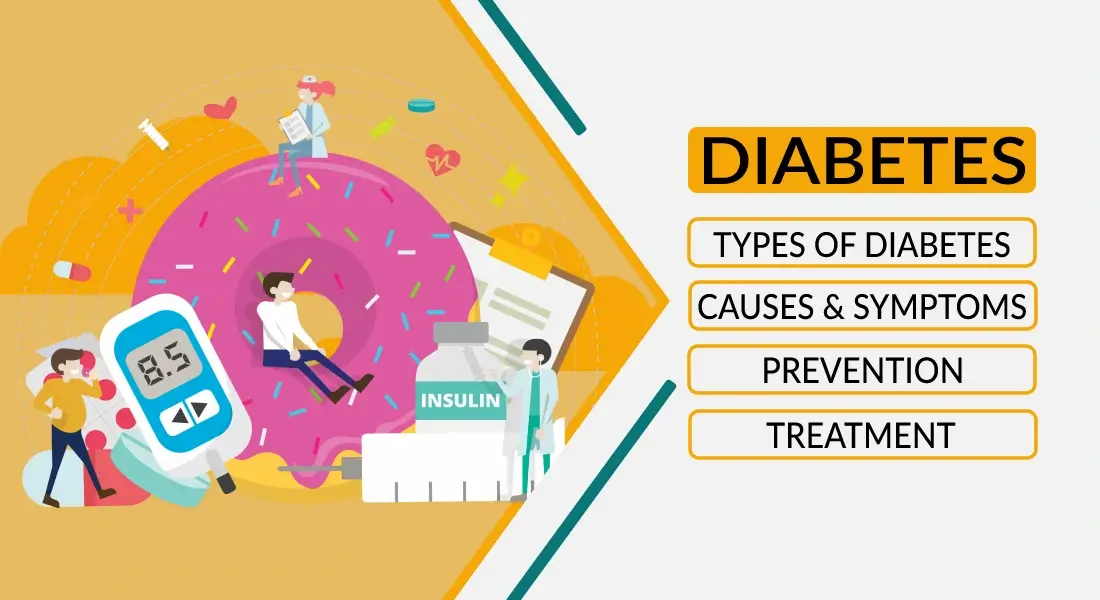
Diabetes is one of the most common health conditions in the world today. It affects millions of people and is increasing rapidly due to changes in lifestyle, eating habits, and daily routines. Many people are living with diabetes without even knowing it, especially in the early stages.
Diabetes occurs when the body is unable to properly control blood sugar levels. Glucose, which comes from the food we eat, is an important source of energy. A hormone called insulin helps move glucose from the blood into the body’s cells. When insulin does not work properly or is not produced in enough quantity, sugar builds up in the blood.
If diabetes is not managed properly, it can lead to serious health problems such as heart disease, kidney damage, nerve issues, and vision problems. The good news is that with awareness and proper lifestyle changes, diabetes can often be prevented or controlled.
What causes diabetes and why it develops
Diabetes can develop due to different reasons, depending on the type.
Type 1 diabetes occurs when the body’s immune system attacks the cells that produce insulin. This type is less common and usually develops at a younger age.
Type 2 diabetes is more common and is mainly linked to lifestyle factors. In this condition, the body becomes resistant to insulin or does not produce enough of it.
One of the main causes of type 2 diabetes is unhealthy eating habits. Consuming high amounts of sugar, processed foods, and unhealthy fats can increase blood sugar levels over time.
Lack of physical activity is another major factor. When the body is not active, it becomes less efficient at using insulin.
Obesity or excess body weight increases the risk significantly. Extra fat, especially around the abdomen, affects how insulin works in the body.
Genetics also play a role. If there is a family history of diabetes, the chances of developing it are higher.
Stress and poor sleep patterns can also contribute to diabetes. These factors can affect hormone balance and increase blood sugar levels.
Age is another factor. The risk of type 2 diabetes increases as people grow older, although it is now also seen in younger individuals.
Early symptoms you should not ignore
The symptoms of diabetes often develop slowly, which is why many people ignore them in the beginning.
One of the most common signs is frequent urination. The body tries to remove excess sugar through urine, leading to more trips to the bathroom.
Excessive thirst is another symptom. As the body loses more fluids, it creates a constant feeling of thirst.
Unusual hunger is also common. Even after eating, the body may not get enough energy due to improper use of glucose.
Fatigue is a major symptom. When the body cannot use sugar effectively, energy levels drop, causing tiredness.
Blurred vision can occur due to high blood sugar affecting the eyes.
Slow healing of wounds is another important sign. Cuts or injuries may take longer to heal.
Some people may also experience tingling or numbness in hands and feet due to nerve effects.
Unexplained weight loss may occur in some cases, especially when the body starts using fat and muscle for energy.
These symptoms may seem mild at first, but if they continue, they should not be ignored.
Prevention, lifestyle changes, and managing blood sugar levels
The good news is that type 2 diabetes can often be prevented with healthy lifestyle choices.
A balanced diet is one of the most important factors. Reducing sugar intake and avoiding processed foods can help maintain stable blood sugar levels.
Eating more fruits, vegetables, whole grains, and fiber-rich foods supports better health.
Regular physical activity helps the body use insulin more effectively. Even simple exercises like walking for 30 minutes daily can make a big difference.
Maintaining a healthy weight reduces the risk of developing diabetes.
Managing stress is also important, as long-term stress can increase blood sugar levels.
Getting enough sleep helps regulate hormones and supports overall health.
Drinking enough water and avoiding sugary drinks can also help control blood sugar.
Regular health checkups are very important. Blood sugar tests can detect diabetes early, even before symptoms appear.
If someone is already diagnosed, following medical advice and maintaining a healthy lifestyle can help manage the condition effectively.
Diabetes is a serious condition, but it is manageable with awareness and discipline.
Small daily habits, when practiced consistently, can lead to long-term health benefits.
In the end, your health depends on your choices. Staying active, eating wisely, and being aware of early signs can help you live a healthier and more balanced life.