Depression is one of the most common mental health conditions in the world today. It affects millions of people from all age groups, including students, adults, and even teenagers. Despite being so common, many people still do not fully understand what depression really is.
Some people think depression is just feeling sad for a few days, but it is much more than that. It is a serious condition that affects how a person thinks, feels, and behaves. It can impact daily life, relationships, and overall health if not recognized early.
One of the biggest challenges with depression is that people often ignore it or do not talk about it. Many individuals suffer quietly without seeking help, which makes the condition worse over time.
Understanding the early signs, causes, and ways to manage depression can help individuals take better care of their mental health.
What causes depression and why it happens
Depression does not have a single cause. It usually develops due to a combination of emotional, psychological, and physical factors.
One of the main causes is long-term stress. When a person experiences continuous pressure from work, studies, or personal life, it can affect mental well-being.
Traumatic experiences such as loss of a loved one, failure, or major life changes can also lead to depression.
Biological factors also play a role. Chemical imbalances in the brain can affect mood and emotions.
Genetics may also increase the risk. People with a family history of depression are more likely to experience it.
Lack of social support is another important factor. Feeling isolated or disconnected from others can increase negative thoughts.
Poor lifestyle habits, such as lack of sleep, unhealthy diet, and no physical activity, can also contribute to depression.
Social media and modern lifestyle pressures can sometimes increase feelings of comparison and low self-worth, especially among young people.
Depression often develops slowly, making it difficult to recognize in the early stages.
Early signs you should not ignore
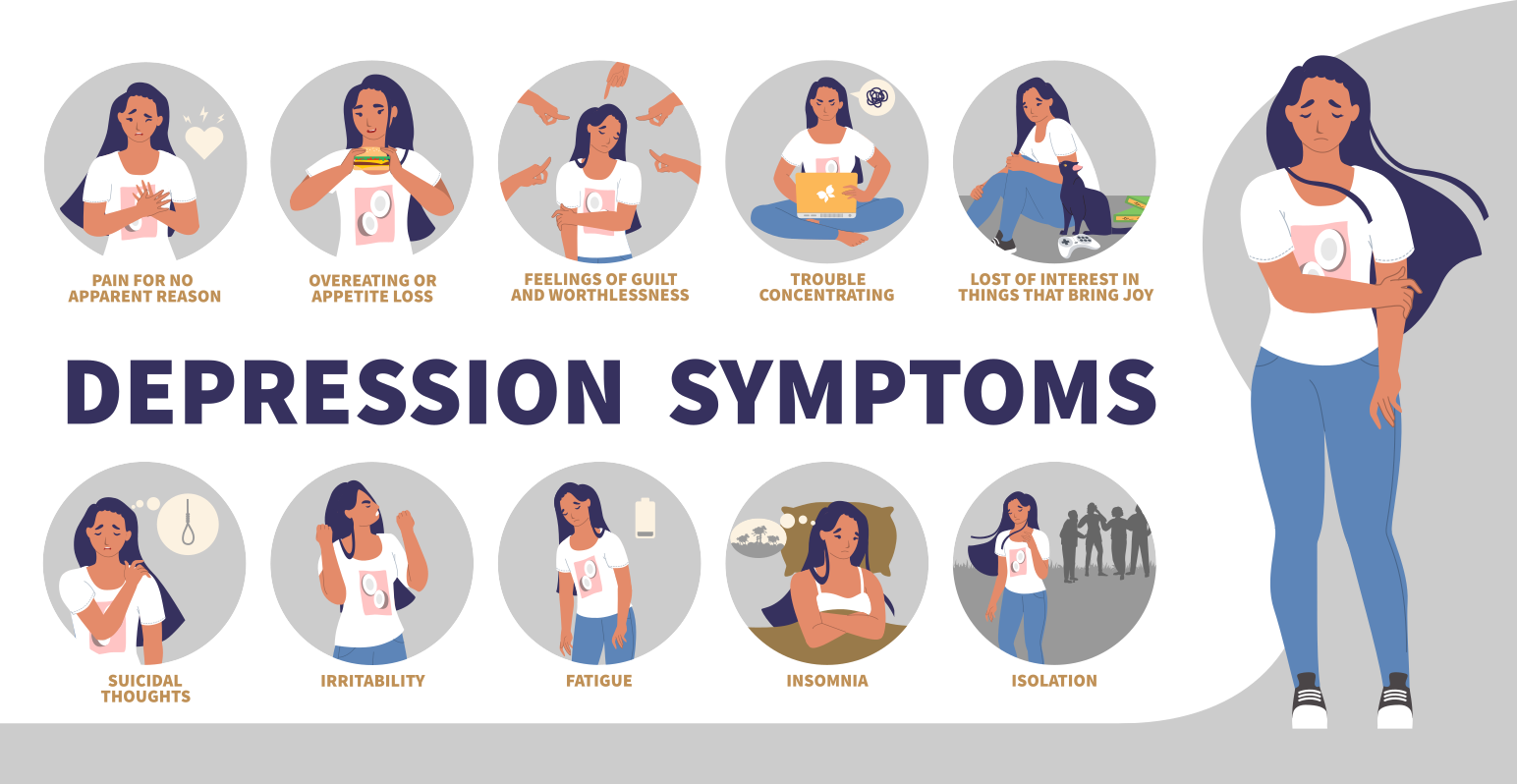
Depression can show different symptoms in different people, but there are some common warning signs that should not be ignored.
One of the most noticeable signs is persistent sadness. A person may feel low, empty, or hopeless for a long period without a clear reason.
Loss of interest in daily activities is another major symptom. Things that once felt enjoyable may no longer bring happiness.
Fatigue or lack of energy is also common. Even simple tasks may feel exhausting.
Changes in sleep patterns can occur. Some people sleep too much, while others have difficulty sleeping.
Appetite changes are also seen. A person may eat much less or much more than usual.
Difficulty concentrating or making decisions is another sign. Mental focus becomes weaker.
Feelings of worthlessness or guilt may increase over time.
In some cases, people may withdraw from social interactions and prefer to stay alone.
Physical symptoms such as headaches or body pain can also be linked to depression.
If these symptoms continue for weeks or interfere with daily life, they should not be ignored.
Managing depression and improving mental well-being
The good news is that depression can be managed with the right support and healthy habits.
One of the most important steps is talking about your feelings. Sharing your thoughts with a trusted person, friend, or family member can reduce emotional burden.
Maintaining a healthy routine is also helpful. Regular sleep, balanced diet, and physical activity can improve mood and energy levels.
Exercise plays a key role in mental health. Physical activity releases chemicals in the brain that help improve mood naturally.
Limiting excessive use of social media can also reduce negative comparisons and improve self-esteem.
Practicing relaxation techniques such as deep breathing or meditation can help reduce stress and improve mental clarity.
Setting small and realistic goals can help rebuild confidence and motivation.
Spending time in nature or engaging in hobbies can also improve emotional well-being.
If symptoms are severe or long-lasting, professional help from a doctor or mental health expert is important. They can provide proper guidance and support.
Depression is not a weakness—it is a health condition that requires attention and care.
Ignoring it can make things more difficult, while early awareness and action can lead to improvement.
Taking care of mental health is just as important as physical health.
In the end, small positive changes in daily life can make a big difference. With awareness, support, and the right habits, it is possible to manage depression and live a balanced and healthier life.