Obesity is one of the fastest-growing health problems in the modern world. It is no longer limited to adults; children and teenagers are also increasingly affected. With changing lifestyles, unhealthy eating habits, and reduced physical activity, obesity has become a serious global concern.
Many people think obesity is only about body weight or appearance, but in reality, it is a medical condition that can lead to several serious health issues. It affects how the body functions and increases the risk of diseases like diabetes, heart problems, and high blood pressure.
The most concerning part is that obesity often develops gradually, and people may not realize its impact until it starts affecting their health.
Understanding the causes, risks, and prevention of obesity is very important for maintaining a healthy lifestyle.
What causes obesity and why it is increasing
Obesity occurs when the body stores excess fat due to an imbalance between calorie intake and energy use. When a person consumes more calories than they burn, the extra energy is stored as fat.
One of the main causes of obesity is unhealthy eating habits. Fast food, sugary drinks, processed snacks, and high-calorie meals have become a regular part of daily life. These foods are often low in nutrients but high in calories, leading to weight gain over time.
Lack of physical activity is another major factor. Modern lifestyles involve long hours of sitting, whether for work, studies, or entertainment. This reduces the number of calories burned by the body.
Emotional eating is also a contributing factor. Many people eat more when they feel stressed, bored, or anxious, even when they are not physically hungry.
Genetics can also play a role. Some individuals may be more likely to gain weight due to their family background.
Poor sleep habits are another hidden cause. Lack of sleep can affect hormones that control hunger, leading to increased appetite.
Other factors include:
- slow metabolism
- certain medications
- hormonal imbalances
- unhealthy daily routines
Obesity is not caused by a single factor. It is usually the result of multiple lifestyle and environmental influences.
Health risks and effects of obesity
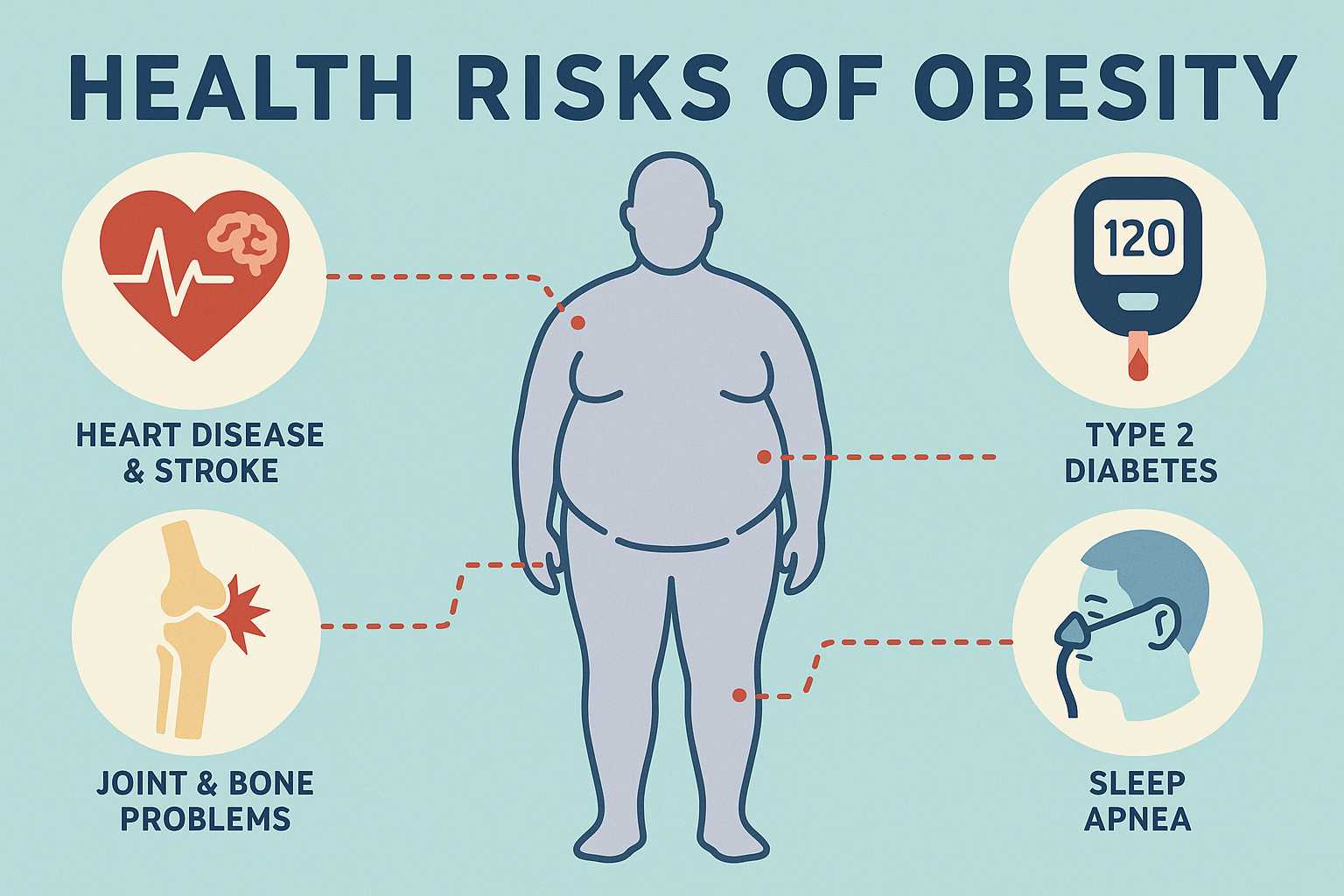
Obesity affects almost every part of the body and increases the risk of several serious health conditions.
One of the most common risks is type 2 diabetes. Excess body fat affects how the body uses insulin, leading to high blood sugar levels.
Heart disease is another major concern. Obesity increases cholesterol levels and blood pressure, putting extra strain on the heart.
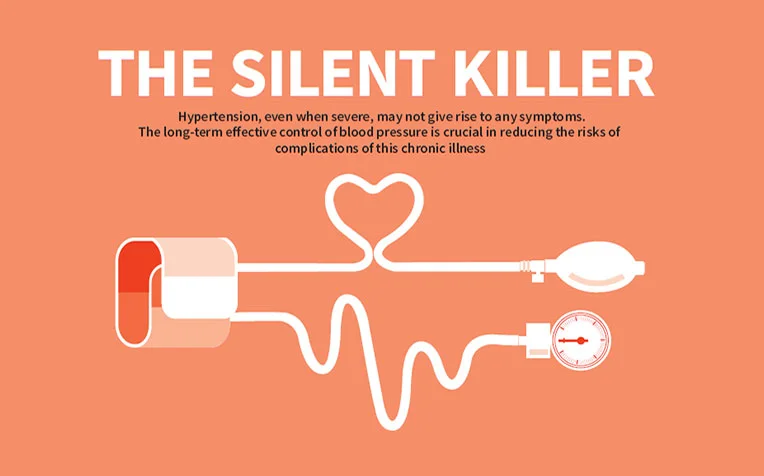
High blood pressure, also known as hypertension, is closely linked to obesity. It increases the risk of stroke and other cardiovascular problems.
Joint pain and mobility issues are also common. Excess weight puts pressure on joints, especially in the knees and lower back.
Obesity can also affect breathing. Some people experience shortness of breath or conditions like sleep apnea.
Mental health is also impacted. People with obesity may experience low confidence, stress, or depression due to social and personal factors.
Other health risks include:
- fatty liver disease
- certain types of cancer
- digestive problems
- reduced energy levels
These effects show that obesity is not just about weight—it is about overall health and well-being.
Prevention, lifestyle changes, and maintaining a healthy weight
The good news is that obesity can often be prevented and managed with simple lifestyle changes.
The first step is improving your diet. Focus on eating balanced meals that include fruits, vegetables, whole grains, and healthy proteins. Avoid excessive consumption of fast food, sugary drinks, and processed snacks.
Portion control is also important. Eating large quantities, even of healthy food, can lead to weight gain.
Regular physical activity is essential. Exercise helps burn calories and improves overall fitness. Simple activities like walking, jogging, cycling, or home workouts can be very effective.
Maintaining a consistent daily routine helps regulate eating and sleeping patterns.
Getting enough sleep is important for controlling hunger hormones and maintaining energy balance.
Managing stress is also necessary. Instead of emotional eating, try healthy alternatives such as exercise, hobbies, or relaxation techniques.
Drinking enough water can help control appetite and improve metabolism.
Regular health checkups can help monitor weight and detect any related health issues early.
If obesity becomes severe, professional guidance from a doctor or nutrition expert may be helpful.
It is important to understand that weight management is a gradual process. Quick solutions or extreme diets are usually not effective in the long term.
Small, consistent changes in daily habits can lead to lasting results.
Obesity is a preventable condition, but it requires awareness and effort. Taking control of your lifestyle today can protect your health in the future.
In the end, your health is shaped by your daily choices. Staying active, eating wisely, and maintaining balance can help you live a healthier and more energetic life.