Cholesterol is a word many people hear often, especially when talking about heart health. However, not everyone fully understands what cholesterol is and how it affects the body. Some people think all cholesterol is bad, while others ignore it completely until health problems appear.
In reality, cholesterol is a natural substance in the body that plays an important role in building cells and producing hormones. The problem starts when cholesterol levels become unbalanced.
High cholesterol levels can increase the risk of serious health conditions such as heart disease and stroke. The concerning part is that cholesterol problems usually develop silently without clear symptoms.
Understanding the difference between good and bad cholesterol, along with its causes and prevention, is very important for maintaining long-term health.
What is cholesterol and why it becomes harmful
Cholesterol is a fatty substance found in the blood. The body produces it naturally, and it is also obtained from certain foods. In normal amounts, cholesterol is essential for proper body function.
There are mainly two types of cholesterol:
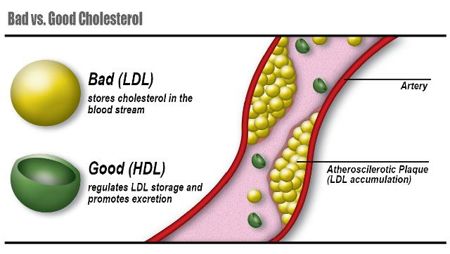
LDL (Low-Density Lipoprotein), often called “bad cholesterol,” can build up in the walls of arteries. Over time, this buildup forms plaque, which narrows the arteries and restricts blood flow.
HDL (High-Density Lipoprotein), known as “good cholesterol,” helps remove excess cholesterol from the bloodstream and carries it back to the liver, where it is processed and removed from the body.
The problem occurs when LDL levels become too high and HDL levels become too low. This imbalance increases the risk of artery blockage.
Several factors can contribute to unhealthy cholesterol levels.
Unhealthy diet is one of the main causes. Foods high in saturated fats, trans fats, and processed ingredients increase bad cholesterol levels.
Lack of physical activity can also raise LDL levels and lower HDL levels.
Obesity is another important factor, as excess body fat affects how cholesterol is managed in the body.
Smoking damages blood vessels and lowers good cholesterol levels, increasing the risk of heart disease.
Genetics also play a role. Some people naturally have higher cholesterol levels due to family history.
Age and lifestyle habits also influence cholesterol levels over time.
Symptoms and health risks of high cholesterol
One of the biggest challenges with high cholesterol is that it usually does not show clear symptoms. Many people feel completely normal even when their cholesterol levels are high.
This is why it is often called a “silent problem.”
In most cases, people only discover high cholesterol during routine blood tests or after developing a serious condition.
When cholesterol builds up in the arteries, it reduces blood flow to important organs. This can lead to serious health issues.
One of the major risks is heart disease. Narrowed arteries make it harder for blood to reach the heart, increasing the chances of a heart attack.
Stroke is another serious condition linked to high cholesterol. Blocked blood flow to the brain can cause sudden and severe damage.
High cholesterol can also affect blood circulation, leading to pain or discomfort in the legs during movement.
In severe cases, fatty deposits may appear under the skin or around the eyes, although this is less common.
Because symptoms are not obvious, regular health checkups are very important. A simple blood test can detect cholesterol levels early and help prevent complications.
Prevention, lifestyle changes, and maintaining healthy cholesterol levels
The good news is that cholesterol levels can be managed effectively with healthy lifestyle choices.
One of the most important steps is improving your diet. Reducing foods high in unhealthy fats, such as fried items and processed snacks, can help lower bad cholesterol.
Including healthy foods like fruits, vegetables, whole grains, and foods rich in fiber can support better cholesterol balance.
Foods containing healthy fats, such as nuts and certain oils, may also help improve good cholesterol levels.
Regular physical activity plays a key role in maintaining heart health. Exercise helps increase HDL (good cholesterol) and reduce LDL (bad cholesterol).
Maintaining a healthy weight is also important. Even small weight loss can improve cholesterol levels and overall health.
Avoiding smoking is essential for protecting blood vessels and improving good cholesterol levels.
Managing stress and getting enough sleep also support overall health and help maintain balanced cholesterol levels.
Regular health checkups are very important, especially for adults. Monitoring cholesterol levels can help detect problems early and prevent serious complications.
In some cases, doctors may recommend medication if lifestyle changes are not enough. However, healthy habits remain the foundation of long-term control.
Cholesterol is not something to fear, but it should not be ignored either. Understanding its role and maintaining balance is the key to a healthy life.
Small daily changes can have a big impact on your overall health. Taking care of your diet, staying active, and monitoring your health regularly can help you avoid long-term risks.
In the end, awareness and prevention are the most powerful tools. By making better choices today, you can protect your heart and improve your quality of life in the future.