Vitamin D deficiency is becoming increasingly common around the world, even in countries where sunlight is abundant. Many people assume they are getting enough vitamin D, but in reality, a large number of individuals have low levels without realizing it.
Vitamin D is essential for maintaining strong bones, supporting the immune system, and helping the body absorb calcium. When the body lacks this important vitamin, it can lead to various health problems that affect both physical and mental well-being.
The challenge with vitamin D deficiency is that its symptoms are often mild and develop slowly. Because of this, many people ignore the early signs or mistake them for general weakness or fatigue.
Understanding the causes and recognizing the symptoms early can help prevent long-term health issues.
What causes vitamin D deficiency and why it happens
Vitamin D is unique because the body can produce it naturally when the skin is exposed to sunlight. However, modern lifestyles have reduced this natural process.
One of the main causes of deficiency is lack of sunlight exposure. Many people spend most of their time indoors due to work, studies, or lifestyle habits. As a result, the body does not produce enough vitamin D.
Another major factor is poor diet. Although some foods contain vitamin D, they are often not consumed regularly. Foods like fatty fish, eggs, and fortified dairy products are good sources, but they are not always part of daily meals.
Skin type and age also affect vitamin D levels. People with darker skin may require more sunlight exposure to produce the same amount of vitamin D. Older adults may also have reduced ability to produce it naturally.
Obesity is another contributing factor. Vitamin D can get stored in body fat, making it less available for use in the body.
Certain medical conditions can also affect absorption, reducing vitamin D levels over time.
In many cases, deficiency develops gradually, which is why it often goes unnoticed.
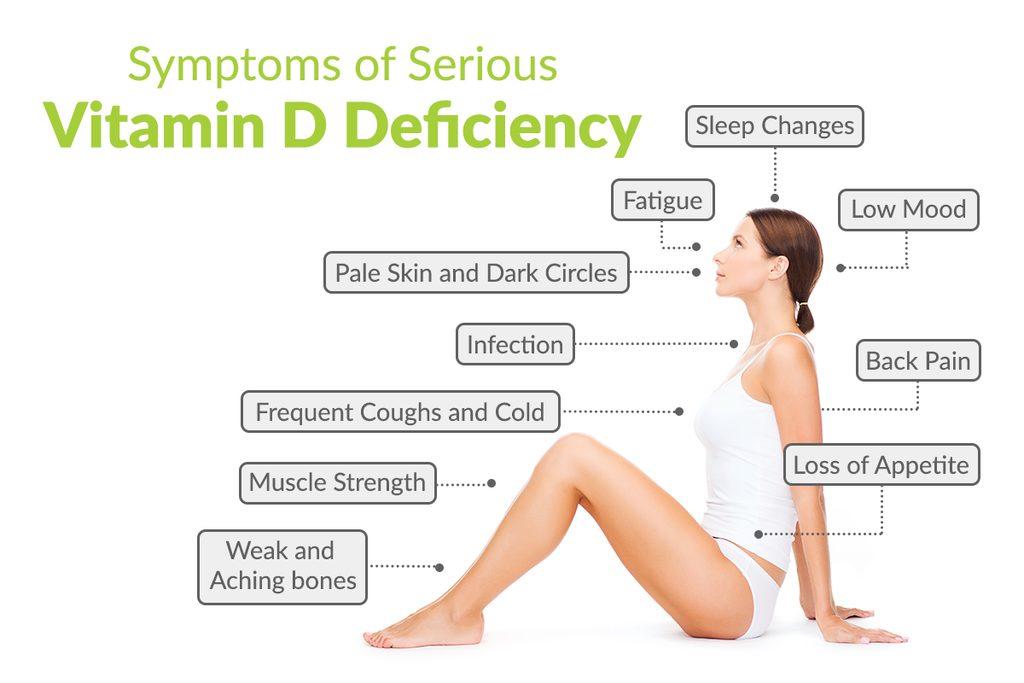
Common symptoms you should not ignore
Vitamin D deficiency can affect different parts of the body, and its symptoms may vary from person to person.
One of the most common symptoms is fatigue or constant tiredness. Even after resting, a person may feel low on energy.
Bone pain or weakness is another important sign. Since vitamin D helps absorb calcium, low levels can weaken bones over time.
Muscle weakness or cramps may also occur. Some people feel difficulty in movement or experience general body weakness.
Frequent illness or infections can be a sign of low vitamin D, as it plays a key role in supporting the immune system.
Mood changes, including feelings of sadness or low mood, are also linked to vitamin D deficiency. Some studies suggest a connection between low vitamin D levels and mental health issues.
Hair thinning or hair loss can also be associated with deficiency in some cases.
In children, severe deficiency may affect bone development, while in adults it can lead to conditions like osteoporosis.
These symptoms may seem common and easy to ignore, but if they continue for a long time, they should be taken seriously.
Prevention, lifestyle changes, and maintaining healthy vitamin levels
The good news is that vitamin D deficiency can be prevented and managed with simple daily habits.
One of the easiest ways to maintain vitamin D levels is through sunlight exposure. Spending 15–30 minutes in sunlight a few times a week can help the body produce enough vitamin D naturally.
However, the amount of sunlight needed may vary depending on skin type, location, and time of day.
Including vitamin D-rich foods in your diet is also important. Foods such as fish, eggs, milk, and fortified products can help improve vitamin levels.
Regular physical activity supports overall health and helps maintain strong bones and muscles.
Maintaining a healthy weight can also improve vitamin D availability in the body.
For people who are unable to get enough sunlight or dietary intake, doctors may recommend supplements. However, supplements should only be taken after proper medical advice.
Regular health checkups can help detect deficiency early. A simple blood test can measure vitamin D levels and guide further steps.
Ignoring vitamin D deficiency can lead to long-term health problems, especially related to bones and immunity.
Taking small steps in your daily routine can help maintain proper levels and improve overall health.
In the end, awareness is the key. Understanding the importance of vitamin D and making simple lifestyle changes can protect your body from unnecessary health issues.
Your health depends on your daily habits, and even small improvements can lead to long-term benefits.