Anemia is one of the most common health conditions in the world, especially in developing countries. It affects people of all ages, but it is more common among women, children, and students. Many people live with anemia without even realizing it because its symptoms often develop slowly and may seem normal at first.
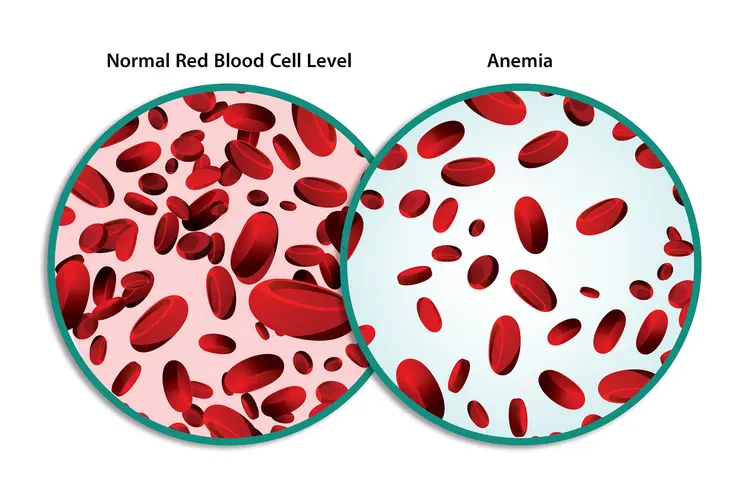
Anemia occurs when the body does not have enough healthy red blood cells or hemoglobin to carry oxygen properly. Hemoglobin is a protein in red blood cells that carries oxygen to different parts of the body. When its level is low, the body does not get enough oxygen, which leads to weakness and fatigue.
Although anemia is common, it should not be ignored. If left untreated, it can affect daily life, reduce productivity, and lead to more serious health issues.
What causes anemia and why it happens
Anemia can occur for several reasons, but the most common type is iron deficiency anemia. Iron is essential for producing hemoglobin, and when the body does not get enough iron, it leads to low hemoglobin levels.
One of the main causes is poor diet. Many people do not consume enough iron-rich foods such as green vegetables, meat, beans, and fruits. This leads to a gradual decrease in iron levels in the body.
Blood loss is another common cause. This can happen due to injuries, surgeries, or in women during heavy menstrual periods. Continuous blood loss reduces the number of red blood cells.
Certain health conditions can also cause anemia. Diseases that affect the digestive system may reduce the body’s ability to absorb iron properly.
Pregnancy increases the risk of anemia because the body needs more iron to support the growing baby. If this need is not fulfilled, iron levels drop.
Other factors include:
- poor nutrition
- vitamin deficiencies (especially vitamin B12 and folate)
- chronic illnesses
- genetic conditions in some cases
In many situations, anemia develops slowly, which is why people often ignore early signs.
Early symptoms you should not ignore
The symptoms of anemia are often mild in the beginning but become more noticeable as the condition worsens.
One of the most common signs is constant fatigue. Even after resting, a person may feel tired because the body is not getting enough oxygen.
Weakness is another common symptom. Simple daily tasks may feel more difficult than usual.
Pale skin is also a noticeable sign. The skin, lips, or inside of the eyelids may appear lighter than normal due to low red blood cell levels.
Shortness of breath may occur, especially during physical activity. This happens because the body struggles to deliver enough oxygen.
Dizziness or lightheadedness is also common. Some people may feel faint or unstable.
Headaches can occur due to reduced oxygen supply to the brain.
Cold hands and feet are also reported by some individuals, as blood circulation may be affected.
In more serious cases, people may experience:
- rapid or irregular heartbeat
- chest discomfort
- difficulty concentrating
These symptoms should not be ignored, especially if they appear together or continue for a long time.
Prevention, lifestyle changes, and maintaining healthy blood levels
The good news is that anemia can often be prevented and managed with proper diet and lifestyle changes.
Eating a balanced diet is the most important step. Include iron-rich foods such as spinach, lentils, red meat, eggs, and beans in your daily meals.
Vitamin C helps the body absorb iron better, so consuming fruits like oranges, lemons, and tomatoes is beneficial.
Avoid drinking tea or coffee immediately after meals, as they can reduce iron absorption.
Maintaining a healthy lifestyle also supports overall blood health. Regular physical activity improves circulation and helps the body function better.
Women, especially during pregnancy, should pay extra attention to their iron intake and follow medical advice when needed.
Regular health checkups are important to monitor hemoglobin levels. A simple blood test can detect anemia early.
If anemia is diagnosed, doctors may recommend dietary changes or supplements depending on the condition.
Ignoring anemia can lead to long-term health issues, including reduced immunity and poor physical performance.
Taking care of your diet and health habits can make a big difference. Small changes in daily life can help maintain proper iron levels and prevent complications.
In the end, awareness is the key. Understanding the signs of anemia and acting early can help you stay active, healthy, and energetic in your daily life.