Heart attack is one of the leading causes of death worldwide, but many cases can be prevented with early awareness and better lifestyle choices. The problem is that most people do not recognize the early warning signs or ignore them until it is too late.
A heart attack happens when blood flow to the heart is blocked, usually due to fat buildup in the arteries. When the heart does not receive enough oxygen, it starts to get damaged.
Many people think heart attacks only happen suddenly, but in reality, the body often gives warning signs hours, days, or even weeks before the actual event.
Understanding these signs and knowing the causes can help you take action early and protect your health.
What causes a heart attack and who is at risk
A heart attack usually occurs due to a blockage in the coronary arteries. These arteries supply blood to the heart muscle. Over time, fat, cholesterol, and other substances can build up in these arteries, forming what is known as plaque.
When this plaque breaks, it can create a blood clot that blocks the flow of blood. This blockage prevents oxygen from reaching the heart, leading to a heart attack.
There are several risk factors that increase the chances of having a heart attack.
Unhealthy diet is one of the main causes. Foods high in fat, salt, and sugar can lead to cholesterol buildup and artery blockage.
Lack of physical activity also increases risk. A sedentary lifestyle weakens the heart and contributes to weight gain.
Smoking is another major factor. It damages blood vessels and reduces oxygen supply in the body.
High blood pressure and high cholesterol levels put extra strain on the heart and increase the risk of blockage.
Diabetes is also closely linked to heart disease, as high blood sugar can damage blood vessels over time.
Stress and poor sleep habits can also affect heart health. Long-term stress can increase blood pressure and lead to unhealthy habits.
Age and family history are additional factors. As people grow older, the risk naturally increases, especially if there is a history of heart disease in the family.
Early warning signs you should never ignore
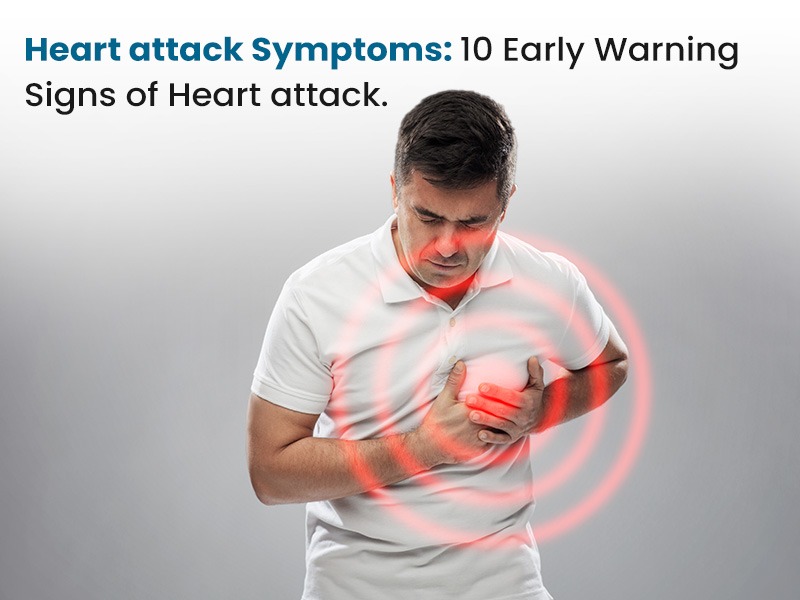
The body often gives warning signs before a heart attack, but these signs can be different for each person.
One of the most common symptoms is chest discomfort. This may feel like pressure, tightness, or pain in the center or left side of the chest. It may last for a few minutes or come and go.
Pain or discomfort may also spread to other parts of the body, such as the arms, back, neck, jaw, or shoulders.
Shortness of breath is another common sign. It can occur with or without chest pain and may happen even during light activity or rest.
Some people experience unusual fatigue, especially women. Feeling extremely tired without any clear reason can be an early warning sign.
Other symptoms may include dizziness, lightheadedness, or feeling faint.
Nausea or discomfort in the stomach is also reported in some cases. It may feel like indigestion or an upset stomach.
Cold sweating or sudden sweating without physical activity can also be a sign of a heart problem.
It is important to understand that not all heart attacks show severe pain. Some people experience mild symptoms that are easy to ignore.
If multiple symptoms appear together or continue for some time, it is important to seek medical help immediately.
Prevention, lifestyle changes, and protecting your heart
The good news is that many heart attacks can be prevented through healthy lifestyle choices.
One of the most important steps is improving your diet. Eating fresh fruits, vegetables, whole grains, and healthy fats can reduce the risk of heart disease.
Avoiding processed foods, excessive salt, and sugary drinks helps maintain healthy cholesterol and blood pressure levels.
Regular physical activity is essential for heart health. Exercise strengthens the heart and improves blood circulation. Even 30 minutes of daily activity can make a big difference.
Maintaining a healthy weight is also important. Excess body fat increases the strain on the heart and raises the risk of heart problems.
Quitting smoking is one of the best decisions for heart health. Smoking damages arteries and increases the risk of blockages.
Managing stress is equally important. Relaxation techniques such as deep breathing, meditation, or spending time with family can help reduce stress levels.
Getting enough sleep is also necessary for overall health. Poor sleep can increase blood pressure and affect heart function.
Regular health checkups are very important. Monitoring blood pressure, cholesterol, and blood sugar levels can help detect problems early.
If someone is already at risk, doctors may recommend lifestyle changes or medication to manage the condition.
Heart health depends on daily habits. Small changes, when practiced consistently, can have a big impact.
A heart attack may seem sudden, but it is often the result of long-term habits. Taking care of your body today can prevent serious problems in the future.
In the end, awareness is your strongest protection. Recognizing early signs and making better lifestyle choices can help you live a longer and healthier life.