Fatty liver disease is becoming one of the most common health problems in the modern world. It is especially increasing among young people due to unhealthy eating habits, lack of exercise, and changing lifestyles.
Many people do not even realize they have fatty liver because it often develops silently without clear symptoms. Over time, if it is ignored, it can lead to serious liver damage and other health complications.
The liver is one of the most important organs in the body. It helps in digestion, removes toxins, and supports overall metabolism. When fat starts building up in the liver, its normal function becomes disturbed.
Understanding fatty liver disease at an early stage can help prevent long-term damage and improve overall health.
What is fatty liver and why it happens
Fatty liver disease occurs when excess fat accumulates in the liver cells. A small amount of fat in the liver is normal, but when it increases beyond a healthy level, it becomes a problem.
There are mainly two common types of fatty liver disease:
Non-alcoholic fatty liver disease (NAFLD) occurs in people who do not consume alcohol or drink very little. This type is mostly linked to lifestyle factors such as poor diet and lack of physical activity.
Alcoholic fatty liver disease develops due to excessive alcohol consumption, which damages liver cells over time.
The main causes of fatty liver include:
- unhealthy diet with high fat and sugar
- obesity or excess body weight
- lack of physical activity
- high cholesterol levels
- diabetes or insulin resistance
- excessive alcohol consumption
- poor lifestyle habits
In today’s fast-paced life, people often rely on fast food, sugary drinks, and processed meals. These habits increase fat accumulation in the body and eventually affect the liver.
Fatty liver disease is not limited to older adults anymore. Even young individuals are now facing this issue due to poor lifestyle choices.
Early signs and possible health effects
One of the biggest challenges with fatty liver disease is that it often shows no clear symptoms in the early stages. Many people discover it only during medical tests or routine checkups.
However, some mild signs may appear as the condition progresses.
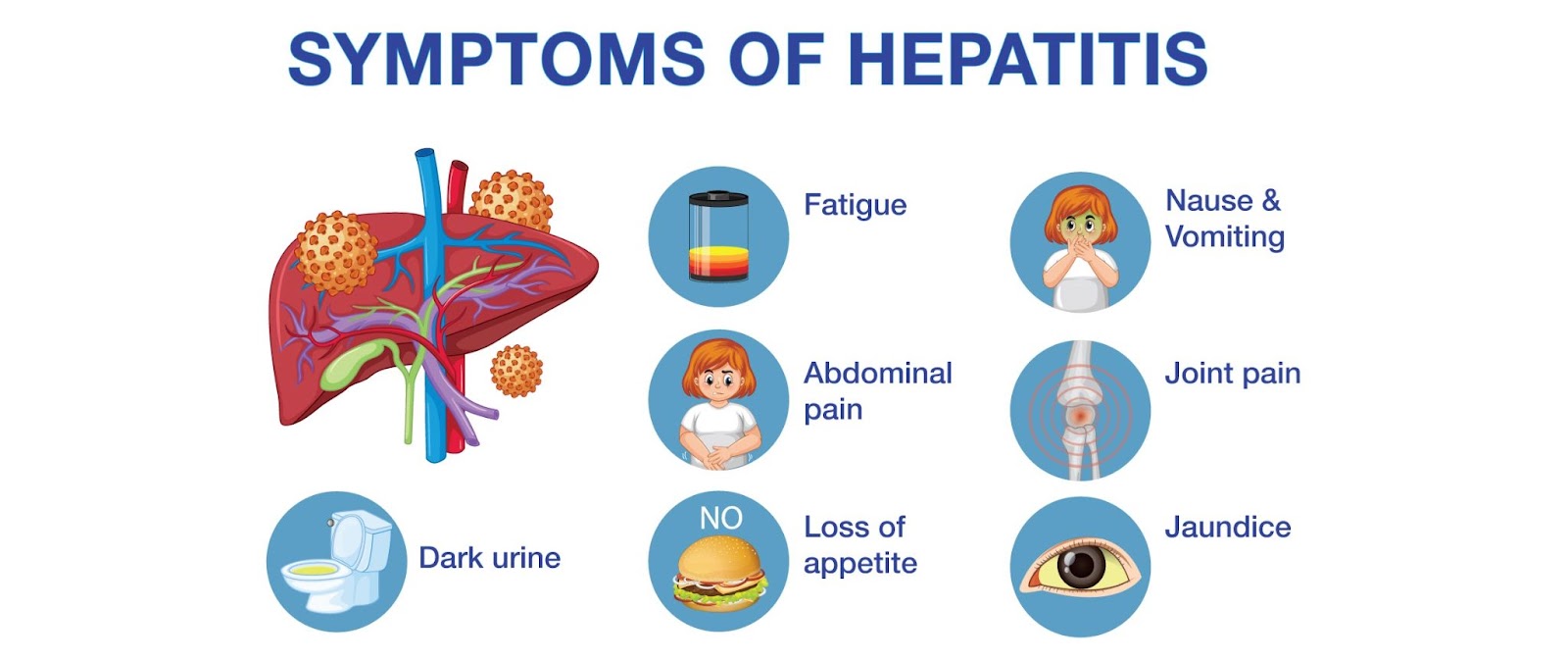
A common symptom is constant fatigue or low energy. The body may feel tired even without heavy physical work.
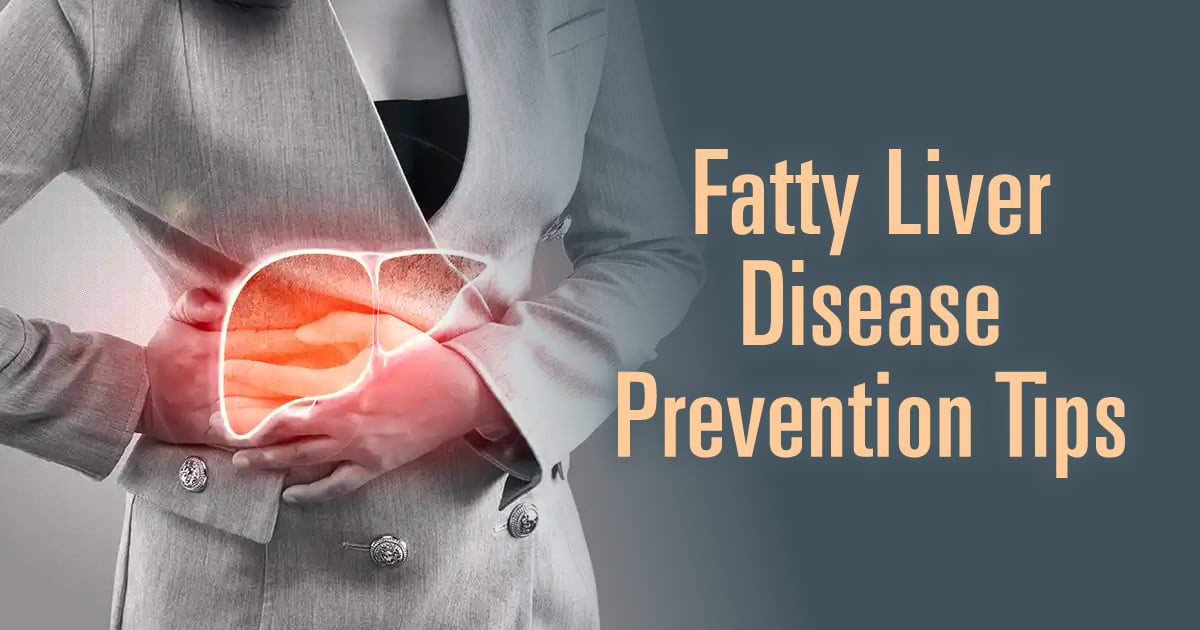
Some people experience discomfort or a feeling of heaviness in the upper right side of the abdomen, where the liver is located.
Unexplained weight gain or difficulty losing weight can also be linked to fatty liver.
In some cases, people may feel weakness or lack of motivation due to reduced energy levels.
As the condition worsens, more noticeable symptoms may appear, such as:
- swelling in the abdomen
- yellowing of skin or eyes (in severe cases)
- loss of appetite
- nausea or digestive issues
If fatty liver is not controlled, it can lead to more serious conditions such as liver inflammation, fibrosis (scarring), or even liver cirrhosis.
This is why early awareness is very important.
Prevention, lifestyle changes, and maintaining liver health
The good news is that fatty liver disease can often be prevented and even reversed in its early stages through simple lifestyle changes.
One of the most important steps is improving your diet. Reducing intake of processed foods, sugary drinks, and unhealthy fats can help lower fat accumulation in the liver.
Eating fresh fruits, vegetables, whole grains, and lean proteins supports overall liver health.
Regular physical activity is also essential. Exercise helps burn excess fat in the body and improves metabolism. Even simple activities like walking, jogging, or cycling can make a big difference.
Maintaining a healthy weight is very important. Losing even a small amount of weight can significantly reduce fat in the liver.
Limiting or avoiding alcohol is also necessary, especially for people already at risk.
Managing conditions like diabetes and high cholesterol can also help prevent fatty liver from worsening.
Drinking enough water and maintaining a balanced lifestyle supports liver function and overall health.
Regular health checkups are important for early detection. Simple blood tests and scans can identify fatty liver before it becomes serious.
If diagnosed early, doctors usually recommend lifestyle changes rather than medication. In most cases, improving daily habits can reverse the condition.
Fatty liver disease may seem like a small issue in the beginning, but ignoring it can lead to serious complications in the future.
Taking care of your liver means taking care of your overall health.
Small daily changes—like eating better, staying active, and avoiding harmful habits.