A stroke is a serious medical condition that happens when the blood supply to the brain is interrupted or reduced. When this happens, brain cells do not get enough oxygen and nutrients, which can lead to damage within minutes.
Stroke is one of the leading causes of disability and death worldwide. The most concerning part is that it can happen suddenly, often without much warning. However, in many cases, the body does show early signs that people ignore or fail to recognize.
Understanding stroke, its causes, and its early warning signs can help save lives. Quick action during a stroke can reduce damage and improve recovery chances.
This article explains stroke in simple terms so that anyone can understand and stay aware.
What causes a stroke and who is at risk
A stroke usually occurs in one of two main ways. The first is when a blood clot blocks an artery that supplies blood to the brain. This is called an ischemic stroke and is the most common type.
The second type happens when a blood vessel in the brain bursts, causing bleeding. This is known as a hemorrhagic stroke. Both types prevent the brain from getting enough oxygen, leading to damage.
Several factors increase the risk of stroke.
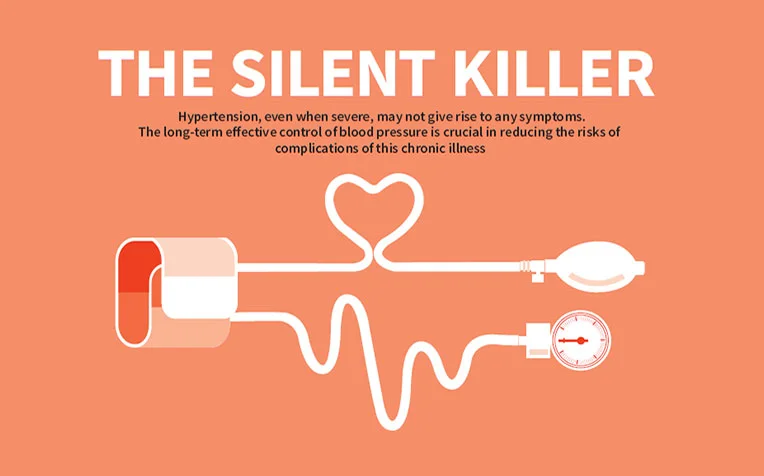
High blood pressure is one of the biggest causes. It puts extra pressure on blood vessels, making them more likely to break or become blocked.
High cholesterol levels can lead to plaque buildup in arteries, reducing blood flow to the brain.
Diabetes is another major risk factor, as it damages blood vessels over time.
Smoking significantly increases the risk by damaging arteries and reducing oxygen supply.
Lack of physical activity and unhealthy diet also contribute to stroke risk.
Obesity puts additional strain on the body and increases the chances of developing related conditions like hypertension and diabetes.
Age and family history also play a role. The risk increases as people grow older, especially if there is a history of stroke in the family.
Stress and poor lifestyle habits can further increase the chances of stroke.
Early warning signs you should never ignore
Stroke symptoms often appear suddenly and require immediate attention. Recognizing these signs quickly can save a life.
One of the most common signs is sudden weakness or numbness, especially on one side of the body. This may affect the face, arm, or leg.
A person may have difficulty speaking or understanding speech. Words may become unclear or confusing.
Sudden vision problems can occur in one or both eyes. A person may experience blurred or lost vision.
Severe headache without a clear reason is another warning sign, especially in cases of hemorrhagic stroke.
Loss of balance or coordination can also occur. A person may feel dizzy or have trouble walking.
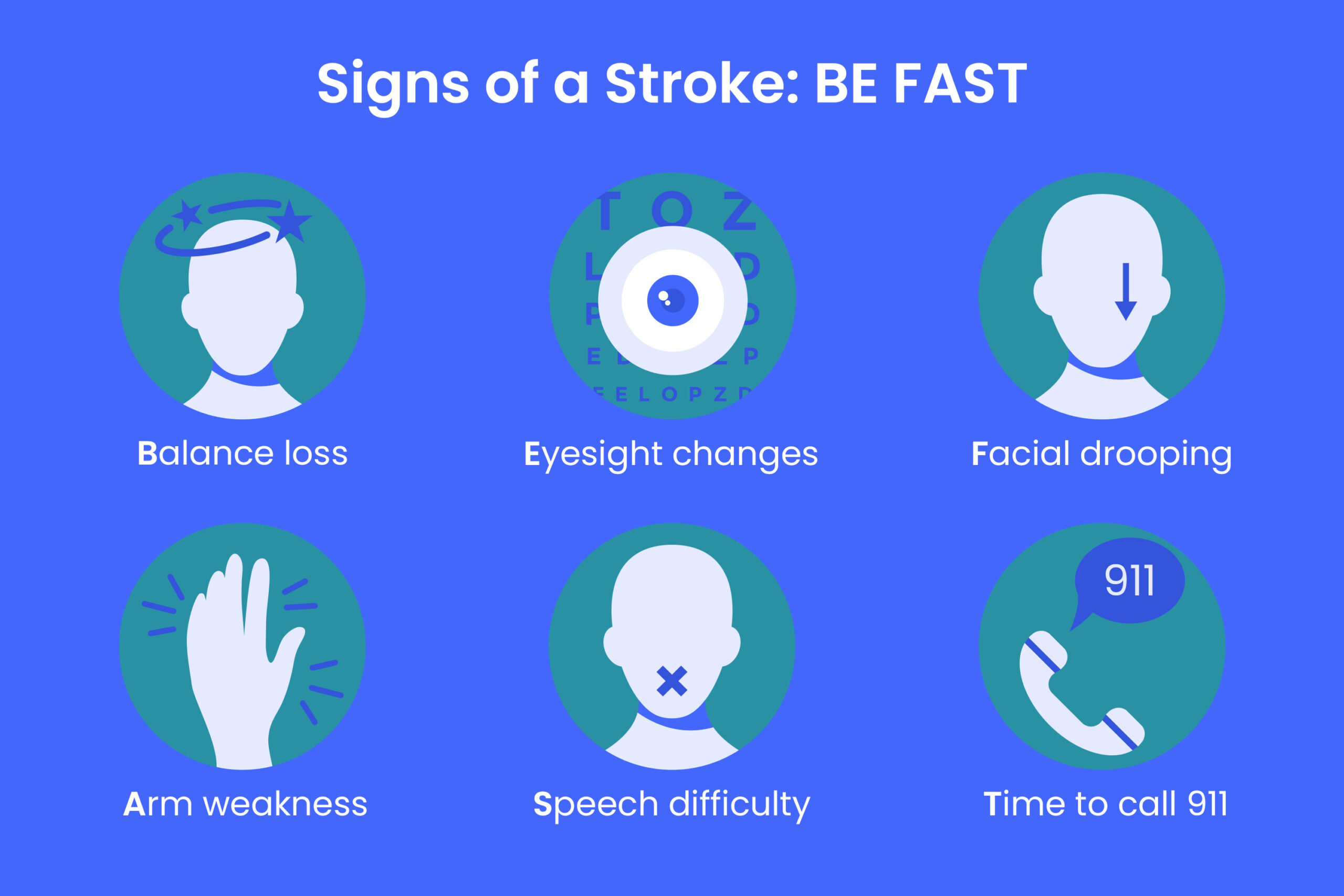
A simple way to remember stroke symptoms is the FAST method:
Face: check if one side of the face is drooping
Arms: check if one arm is weak or cannot be lifted
Speech: check if speech is slurred or difficult
Time: act immediately and seek medical help
Stroke symptoms should never be ignored. Even if they last for a short time and go away, they may be a warning of a future stroke.
Immediate medical attention is critical in reducing brain damage and improving recovery.
Prevention, lifestyle changes, and protecting brain health
The good news is that many strokes can be prevented through healthy lifestyle choices and proper management of risk factors.
Maintaining healthy blood pressure is one of the most important steps. Regular monitoring and controlling salt intake can help keep blood pressure in a safe range.
Eating a balanced diet is also essential. Including fruits, vegetables, whole grains, and healthy fats supports overall health and reduces the risk of stroke.
Regular physical activity helps improve blood circulation and reduces the chances of obesity and related conditions.
Maintaining a healthy weight reduces stress on the body and lowers the risk of high blood pressure and diabetes.
Avoiding smoking is one of the most effective ways to protect blood vessels and reduce stroke risk.
Limiting alcohol consumption also helps maintain healthy blood pressure and overall well-being.
Managing stress through relaxation techniques, hobbies, or social support can improve both mental and physical health.
Regular health checkups are very important. Monitoring cholesterol, blood sugar, and blood pressure can help detect problems early.
If someone is at high risk, doctors may recommend lifestyle changes or medication to reduce the chances of stroke.
Stroke is a serious condition, but it is often preventable with the right habits and awareness.
Taking care of your health today can protect your brain and body in the future.
In the end, awareness and quick action are the most powerful tools. Recognizing early signs and making healthy choices can help save lives and improve overall quality of life.